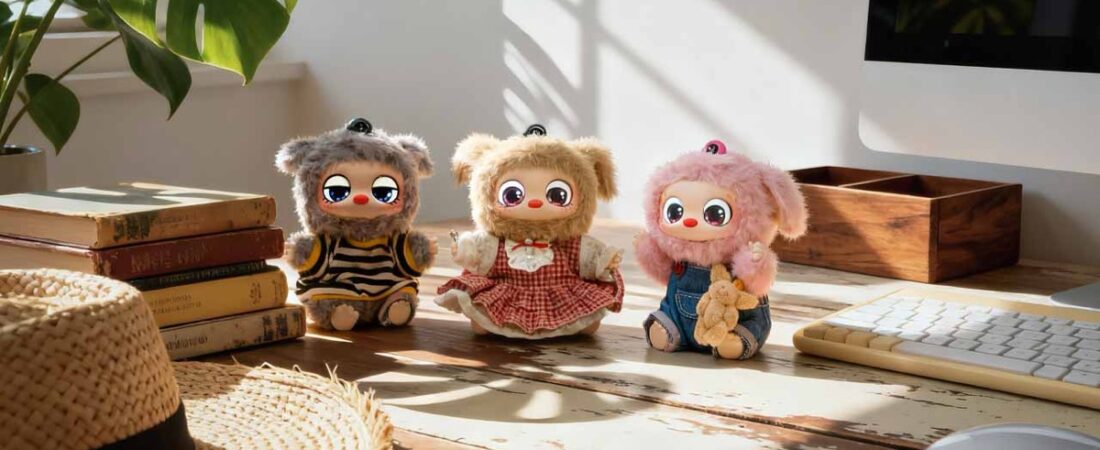
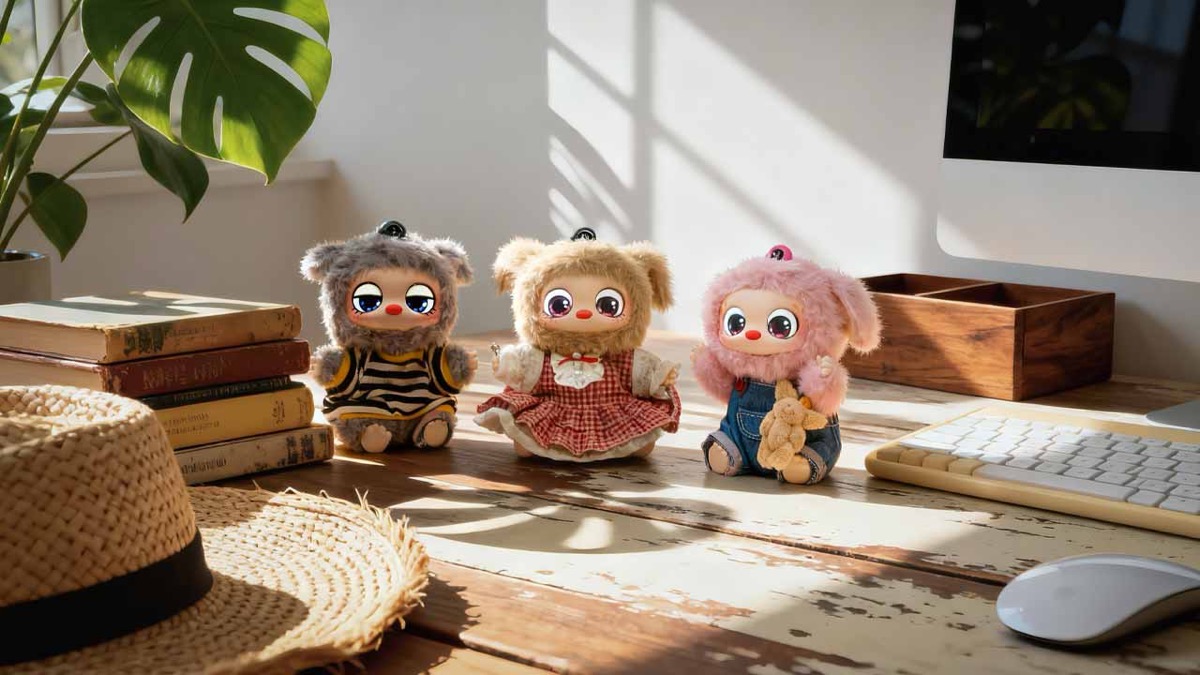
bibo is the CES 2026 debut from Hangzhou Leim Technology (Leimeng), and it’s using a phrase you don’t usually see in this category: “AI Art Toy Lifeform.” Which is either the most self-aware positioning of the year or the most marketing-fluff, depending on how well the product actually delivers on it. The launch has been meaningful: CES 2026, Tongyi Hardware Expo in Shenzhen, April 2026 global launch, and a booth full of press impressions. Disclosure: CyberPals has not conducted hands-on testing of bibo. All specs below reference Leim’s official communications, Homecrux’s CES 2026 coverage, and Baidu Baike’s home-market summary.
This article is based on publicly available reporting, official brand communications, community feedback, and third-party reviews.
Why this matters
There are two AI-toy categories converging in 2026. One is the collectible-adjacent line (think Labubu-scale marketing and IP tie-ins). The other is the emotional-companion line (Ropet, Fuzozo, Moflin). bibo is one of the first products to explicitly ship as both at once: art toy first, emotional companion second.
The Homecrux CES 2026 coverage and The Outerhaven’s booth impressions both landed on the same word, “charming,” which is the exact adjective Leim’s product team was aiming for. Whether that translates from booth demo to living-room ownership is the open question.
What bibo actually is
bibo is a small desktop AI companion device. It’s smaller than a robot dog but larger than a pocket pet, sized to sit on a shelf like a designer figure. Per Leim’s positioning and press coverage:
| Attribute | What we know |
|---|---|
| Category | “AI Art Toy Lifeform”: collectible + companion hybrid |
| Company | Hangzhou Leim Technology; CTO Guan Linbo publicly leads the “active multimodal emotional brain” thesis |
| Debut | CES 2026 (January), Tongyi Hardware Expo (Shenzhen, Jan 8–11), global launch April 2026 |
| Official site | moe-lab.com |
| Interaction model | Multimodal: visual and audio sensing that identifies faces and vocal tone |
| Positioning language | Emotional connection first, utility second |
| IP direction | Merchandise ecosystem hinted in Leim’s partnership materials |
The most interesting product decision: Leim’s team have talked about bibo as having emotional presence rather than as simulating emotional presence. The CTO’s public talks have been on the “active multimodal emotional brain”: proactive engagement, not reactive puppetry. That’s a specific technical bet with observable outcomes: does bibo initiate interaction, or does it wait to be asked?
A telling detail from Leim’s own coverage: during Spring Festival, 27 Leim employees each adopted a bibo and took it home for Lunar New Year. The employees-as-first-owners test is a specific behavior an art-toy company does when they think their product has emotional legs, and it’s what a booth demo can’t fake.
How bibo scores on CARES+
Working from public sources only. Hands-on impressions will change these substantially:
| Dimension | Reading |
|---|---|
| C1: Emotional presence | Central to Leim’s positioning. “Active multimodal emotional brain” is a strong claim; hands-on validation pending |
| C2: Conversation | Multimodal sensing described, but conversational depth unclear from public materials |
| A: Cloud dependence | Unknown from public materials; a priority question |
| R: Build quality | Art-toy chassis suggests display-first design (durability is not the primary bet) |
| E: Expectation match | Depends on which side of the “art toy vs. companion” hybrid the buyer weighted |
| S: Support & aftercare | New product from a young company; support quality unproven |
| K: Kid safety | bibo is positioned for adults, not children |
| B: Bond & collectibility | Highest score for the category. Explicitly positioned as collectible, with an IP ecosystem hinted in Leim’s partnership materials |
Where bibo fits: the persona map
- Maya, 27 (collector persona): bibo’s clearest audience. Art-toy aesthetics, collectible design language, and emotional-companion functionality overlap with Maya’s shape of interest.
- Marcus, 34 (curious skeptic): possibly, if the “active multimodal emotional brain” delivers meaningful conversation. If not, Marcus won’t be moved by aesthetics alone.
- Sarah, 38 (parent): no. bibo is not positioned for children; Sarah should look at LoviPeer or Curio instead.
- Linda, 52 (senior wellness): no. bibo’s art-toy positioning is adult-collector, not older-adult wellness.
CyberPals Take #1 — The “art toy” framing is smarter than it sounds
Positioning as an art toy solves a specific commercial problem: art toys are display objects, and display objects don’t have to be interacted with constantly to justify their shelf space. That means bibo can survive owner attention gaps that would kill a purely-companion product.
Leim knows this. Their partnership language talks about IP-vibrant merchandise ecosystems, the exact strategy Pop Mart used to turn Labubu into a $1B revenue line. bibo is trying to be the first product that’s simultaneously a genuine emotional companion AND a mainstream collectible IP. If they pull it off, it’s a category-defining move.
CyberPals Take #2 — The “active multimodal emotional brain” bet is testable
Guan Linbo’s public talks about proactive emotional engagement are the technical thesis behind bibo. What that means in practice: does the product turn its head when you walk into the room? Does it initiate conversation? Does it react differently to a distressed voice than a happy one?
Those are specific, observable behaviors, and they’re exactly what a booth demo can showcase but a shipping product often can’t sustain. When bibo units start showing up in owner homes, watching for whether the proactive behavior scales beyond the CES floor is the specific thing to look for.
CyberPals Take #3 — Questions to answer before buying
Three questions we’d want answered before committing to a bibo purchase:
- What runs where? Which model powers the personality, which sensors process locally vs. via cloud, and what happens if Leim’s servers go offline?
- What’s the IP roadmap? Leim has hinted at merchandise ecosystems around bibo. If you buy in early, are you buying a device or a franchise entry? Both are valid; the buyer should know which.
- How does bibo interact with more than one person? The multimodal sensing story implies personalized engagement per household member. Whether that’s a real feature or marketing language is worth verifying.
FAQ
When did bibo launch? bibo debuted at CES 2026 in January, was shown at Shenzhen’s Tongyi Hardware Expo the same week, and had its global launch in April 2026. Availability in specific regions varies. Check moe-lab.com for current shipping options.
How is bibo different from Fuzozo or Ropet? Positioning first. Ropet is a non-verbal, plush comfort companion. Fuzozo is a purring emotional companion with Star Trek Tribble design language. bibo is explicitly art toy first, closer to a collectible-figure aesthetic with real interactivity added. Same broad category, different design philosophies.
Is bibo’s parent company backed by a public brand? Hangzhou Leim Technology (Leimeng) is an independent East-origin startup, not a subsidiary of a public brand. Their public communications emphasize emotional-brain research; long-term durability of the company is a normal category risk.
Should I wait for a Western review before buying? For any AI companion product that has been on the market less than six months, the owner-community feedback that arrives in months 3–12 is what tells you if the product is real. Waiting until that data is available is a reasonable stance for buyers who don’t have a specific reason to be early.
CyberPals tracks 90+ AI companion products in our public brand database. This first look is based on publicly available Leim materials, CES 2026 coverage from Homecrux and The Outerhaven, and Baidu Baike’s home-market summary. We have no commercial relationship with Leim and were not compensated by them for this article. When bibo has been in owner hands long enough for durability and emotional-longevity impressions to form, we will update.